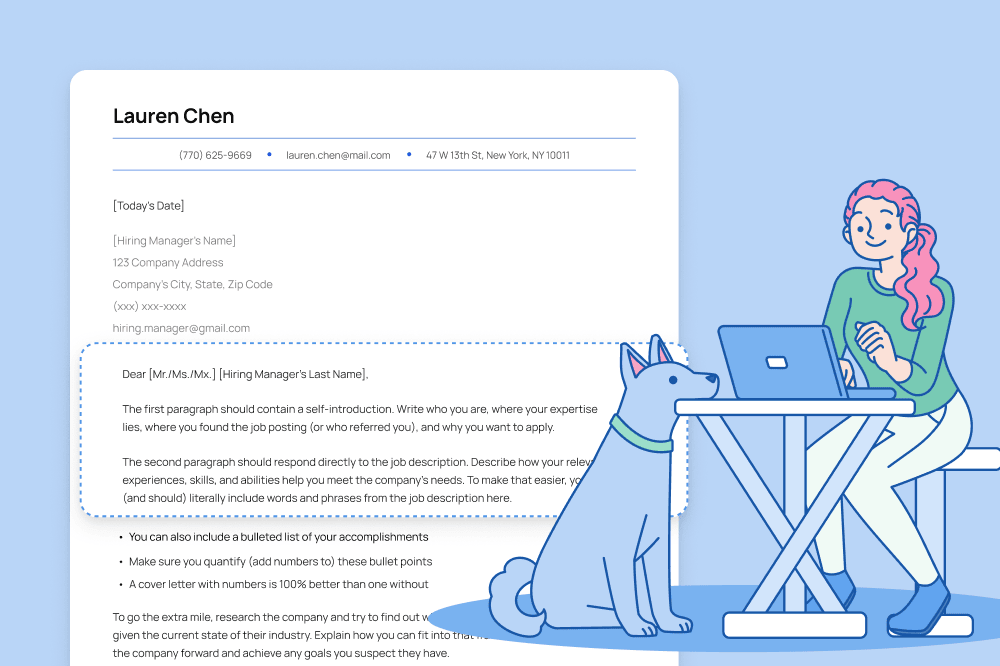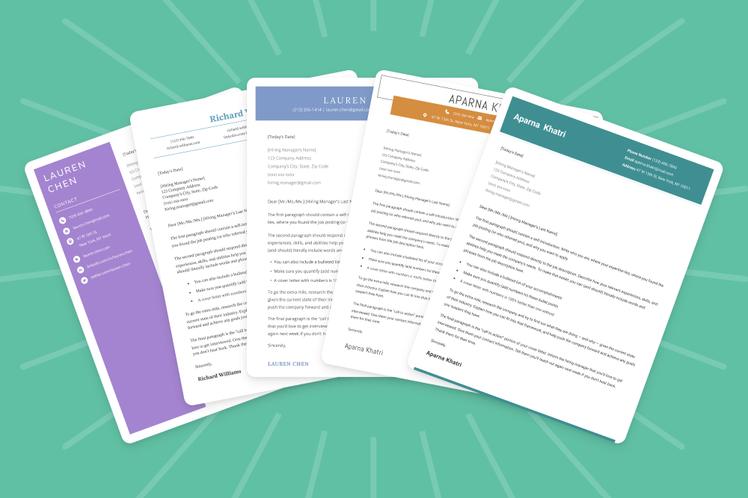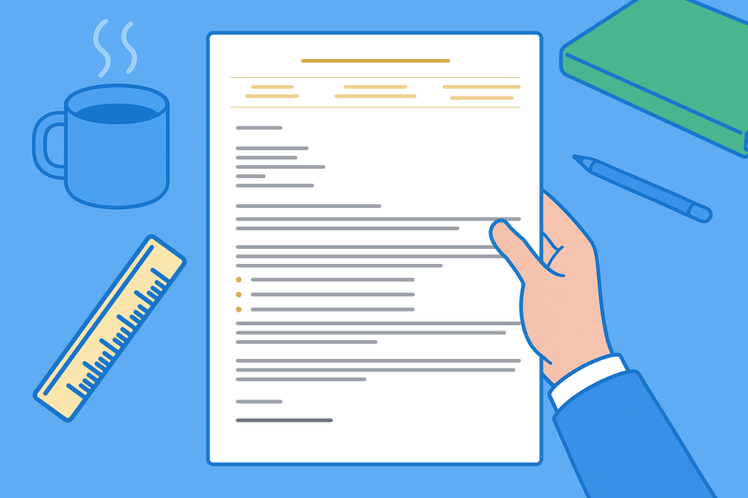

Our free Harvard cover letter template is based on guidance from Harvard’s Mignone Center for Career Success. It uses a traditional business letter layout and gives you space to explain your interest in the role, highlight relevant experience, and connect your qualifications to the employer’s needs.
Free downloadable Harvard cover letter template
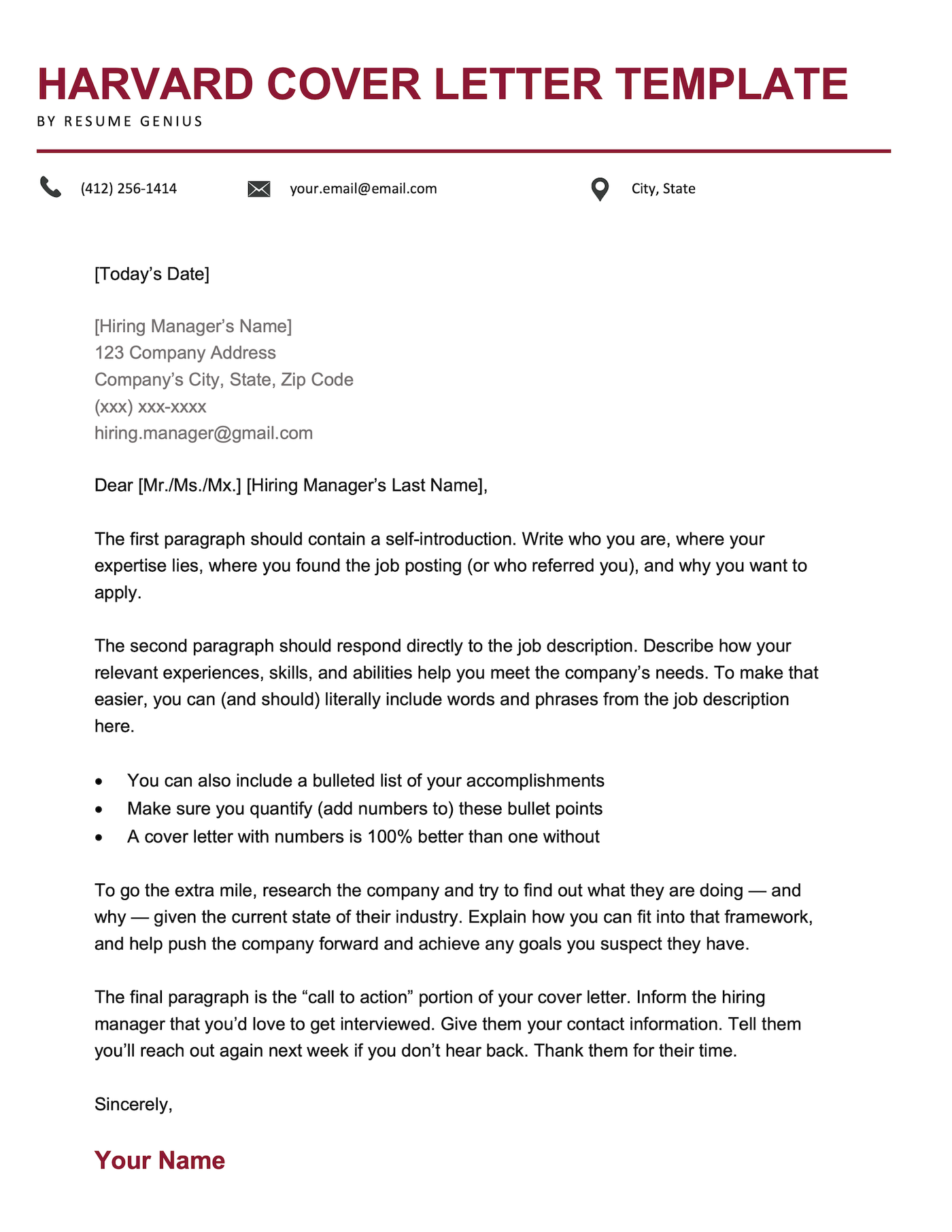
Harvard doesn’t prescribe one universal cover letter design. Instead, its career resources emphasize a clear, concise letter that is tailored to the specific position and organization. The template above follows those principles with a simple layout and sections for the information Harvard recommends including.
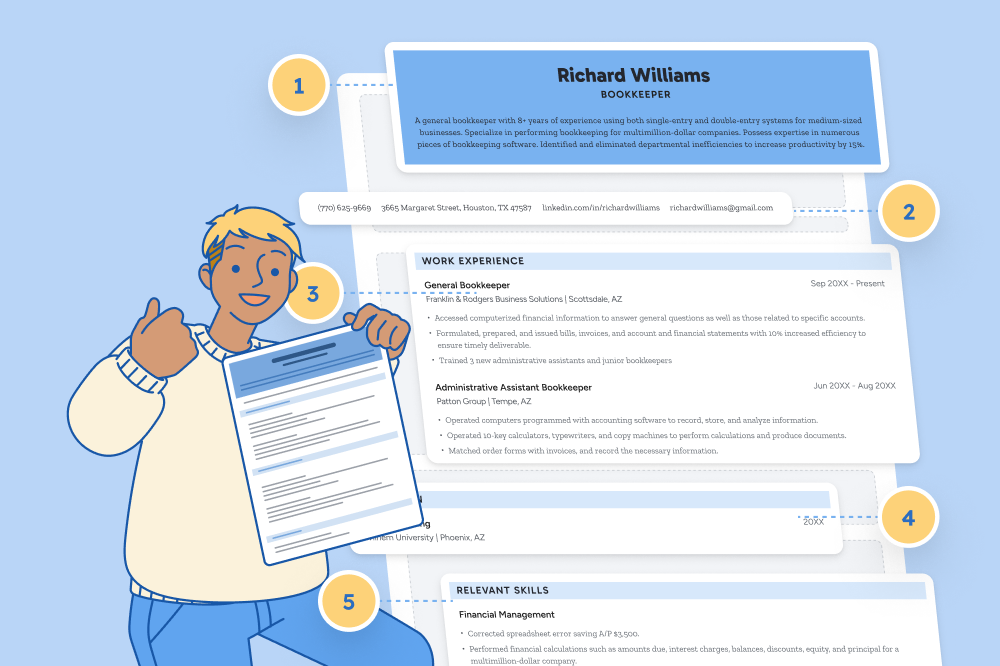
Pair your Harvard cover letter with a matching Harvard resume template.
Fill-in-the-blank Harvard cover letter template
Use this fill-in-the-blank template to speed up the writing process. Replace the bracketed text with your own information and tailor each section to the job you’re applying for.
[Your Name]
[Phone Number] | [Email Address] | [City, State]
[Date]
[Hiring Manager’s Name]
[Company Name]
[Company Address]
[City, State ZIP Code]
Dear [Hiring Manager’s Name],
I am writing to apply for the [Job Title] position at [Company Name]. With [number] years of experience in [field/area], I have developed [relevant skill or expertise] that I believe would allow me to contribute to your team.
In my current/previous role as [Job Title] at [Company Name], I [describe a relevant responsibility or achievement]. For example, I [specific accomplishment, ideally with a measurable result]. This experience has strengthened my ability to [relevant skill or competency].
I am particularly interested in [Company Name] because [specific reason related to the company, role, or industry]. I would welcome the opportunity to bring my experience in [relevant area] to your team and contribute to [specific goal or priority].
Thank you for considering my application. I look forward to the opportunity to discuss how my experience and skills could contribute to [Company Name].
Sincerely,
[Your Name]
How to structure a Harvard-style cover letter
Here’s how to structure your cover letter according to Harvard’s recommended format.
Header and contact information
Start your cover letter with your contact details, the date, and the employer’s information. Include:
- Your name
- Phone number
- Email address
- City and state
- Date
- Hiring manager’s name and job title
- Company name and address
Greeting
Address the hiring manager by name whenever possible. You can usually find their name on the company website, LinkedIn, or the job posting. If you can’t identify the hiring manager, use a professional greeting such as “Dear Hiring Manager” or “Dear [Department] Hiring Team.”
Introduction
Start your cover letter by stating the position you’re applying for and the company’s name. Follow this with a brief explanation of why you’re interested in the role and what drew you to the organization. If appropriate, mention a relevant qualification, skill, or area of experience that makes you a strong candidate.
Body paragraph(s)
Use the body of your cover letter to show why you’re a match for the position. Highlight the skills and experience that are most relevant to the job, and support your claims with specific examples of your accomplishments.
Where possible, include measurable results to show the impact of your work. Connect these examples to the employer’s needs and explain how your background would help you contribute to the role.
Closing
End your cover letter by briefly reiterating your interest in the position and your enthusiasm for the opportunity to contribute to the company.
Thank the hiring manager for considering your application and include a professional call to action, such as expressing your interest in discussing the role further.
Finish with a sign-off such as “Sincerely,” followed by a line break and your full name.
How to format a Harvard cover letter
Follow these guidelines to format your letter in line with Harvard’s recommendations.
- Use a business letter layout that includes your contact information, the date, employer details, greeting, body, and closing in a clear order.
- Choose a professional font such as Calibri or Times New Roman.
- Use single or 1.5 spacing, and leave a line break between paragraphs and sections to make your letter easier to scan.
- Keep it to one page to communicate your most relevant qualifications without unnecessary detail.
- Avoid flashy design elements like distracting colors, graphics, or decorative fonts.
- Save it as a PDF unless the employer requests another file format.
About the Author

Lauren Mastroni is a Digital Content Writer at Resume Genius, where she creates data-driven career content and actionable job search advice. With a background in academic research, she brings a research-focused approach to topics like resume writing, interviewing, and career development. Lauren is dedicated to helping job seekers at all stages navigate the hiring process and present themselves more effectively to employers.