
Use our follow-up email template and expert advice to learn the best way to follow up on your job application.
If you haven’t heard back about a job application, it’s like likely not personal. Many hiring managers don’t reply simply because they’re still evaluating candidates (34%) or dealing with too many applications (33%), which is exactly why sending a follow-up email can boost your chances.
We’ll show you how to follow up on your job application the right way with some examples and tips.
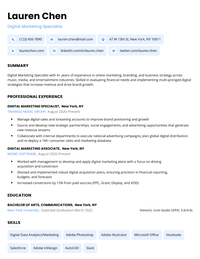
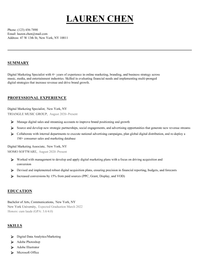
Our resume builder can make you a resume in as little as 5 minutes. Pick the template you want, and our software will format everything for you.
When to follow up on your application
As a general rule, wait 1–2 weeks before following up on a job application.
Check the job listing first to see if it provides any information about the application window or when applicants can expect to hear back. Some hiring managers may even suggest following up after a certain period of time has passed.
If you can’t find any specific guidelines, use your best judgment, but wait at least one week before sending a follow up email to give the hiring manager some time to review your application.
Already interviewed for the position? You should still follow up after an interview if more than one week has gone by with no response.
Getting the timing right
To maximize visibility, aim for Tuesdays–Thursdays between 7:00 AM and 10:00 AM or between 3:00 PM and 5:00 PM.
If you’re following up via phone, timing is even more critical to avoid catching someone during a “rush” period, such as the lunch hour in a restaurant. Calling during these quieter windows increases your chances of reaching the right person when they actually have the bandwidth to speak. You can also request a call back if they’re not available to talk immediately.
How to find the hiring manager’s contact information
If possible, contact the hiring manager directly as they’re the one to review your application. To find the right person, start by searching the company’s LinkedIn page:
- Go to the “People” tab
- Filter by keywords such as “Recruiter,” “Talent Acquisition,” or the “Head of [Department]”
If LinkedIn doesn’t provide a clear lead, visit the company’s official website and check the “About Us,” “Our Team,” or “Leadership” pages. These sections frequently list department heads or managers who would likely oversee your prospective role. Identifying a specific name helps you avoid a generic greeting and shows your attention to detail and genuine interest in the company.
How to write a follow up email after sending your resume
To follow up on your application, use this basic structure for your email:
- Subject line that states the purpose of your email
- Introductory paragraph requesting an update about your application
- Body paragraph reiterating your interest
- Conclusion thanking the hiring manager
- Professional sign-off
Remember to keep your email brief and straightforward — your request should be simple and to the point, so there’s no need to drag it out.
Follow-up email template
Here’s a basic email template you can use to follow up with the hiring manager or recruiter about your application:
Dear [Hiring Manager’s Name],
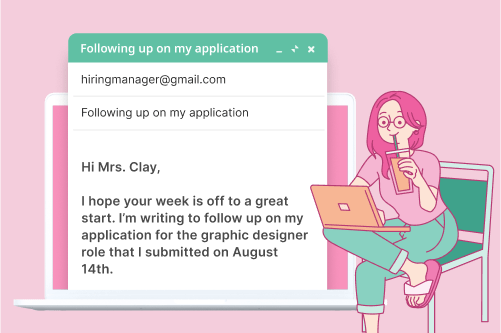
I hope your week is off to a great start. I’m writing to follow up on my application for the [Job Title] position that I submitted on [Date].
I’m very interested in the opportunity to contribute to [Company Name] and am eager to bring my [skills/qualifications/experience] to your team. If there’s any additional information I can provide at this point, please don’t hesitate to ask.
Thank you for your consideration, and I look forward to discussing my application further.
Sincerely,
[Your Name]
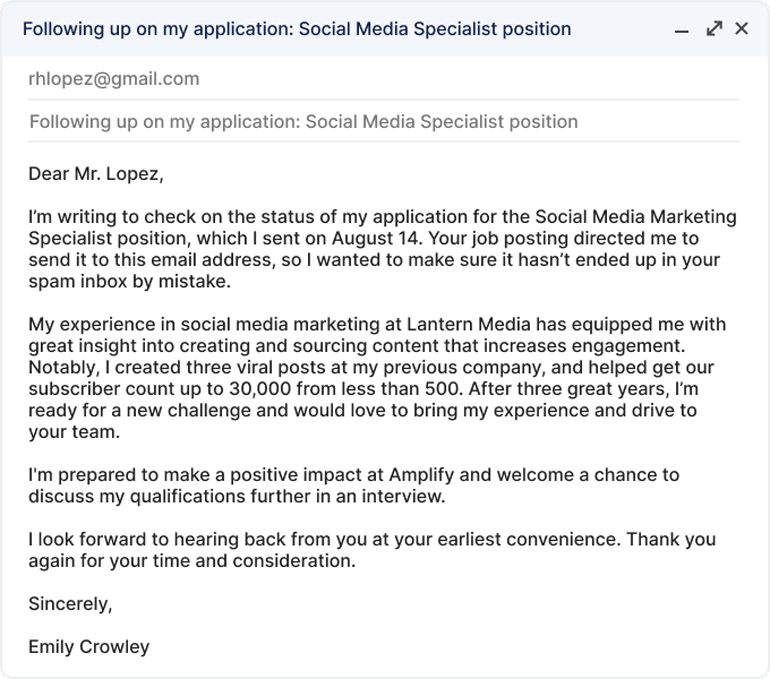
Sample follow-up email
To give you more inspiration, here’s an example of a professional follow-up email:
Tips for following up after a job application
Here are some tips for making your follow-up as effective as possible:
Choose an effective subject line
The subject line of your email should be professional yet attention-grabbing.
Summarize the purpose of your email with something like this:
- Following up on application for [position title]
- [your name] – application status for [position title]
- Checking in: [position title] application status
Be courteous
The way you communicate with hiring managers and recruiters makes up a big piece of their first impression of you, so remember to be polite and professional. Thank the hiring manager for their time at the end of your email.
Restate your interest in the position
Sending a follow-up email shows hiring managers you’re especially interested in this position. Take this opportunity to reiterate your enthusiasm and remind them why you’re a great fit.
If possible, bring up one of your qualifications that really makes you stand out. If they already read your application, this will help refresh their memory and make them much more likely to get back to you.
Keep it brief
Now isn’t the time to detail all of your qualifications. Hiring managers appreciate a concise email, so leave them with just enough information to direct them back to your application.
Don’t be too pushy
Avoid contacting the employer more than twice, and space out your follow-up emails appropriately (typically two weeks between emails is safe).
Even though it’s unprofessional of an employer to ignore your emails after polite attempts to check on the status of your application, there’s not much more you can do.
Instead, put your energy into updating your resume and continuing your job hunt.
Know when to hold back
While persistence is often rewarded, there are specific scenarios where following up can actually damage your reputation. Always respect the instructions listed in the original job advertisement; if a listing explicitly requests “no phone calls” or states that follow-ups are unnecessary, ignoring these rules suggests a lack of attention to detail.
Similarly, if an employer gives a specific timeframe for an update, such as “we will contact you in two weeks,” sending an inquiry before that window has closed makes you appear impatient and unprofessional.
Consider following up with a phone call
For some jobs, (like food & beverage, construction, or retail) it’s easier to get in touch with managers by phone. It’s usually best to try contacting the employer by email first, but you can also call to follow up if you feel it’s appropriate in your industry.
Call at a time of day when the manager is likely the least busy. They’ll be more likely to take your call and will appreciate the consideration.
You should also prepare what you want to say. Keep it simple, give them your name and the date you submitted your application, and let them know you want to check the status of your application. If possible, briefly restate your interest in the position.
Here’s a sample phone script for calling to follow up on a job application:
“Hello, my name is [Your Name]. I recently applied for the [Job Title] position, and I was hoping to briefly speak with the hiring manager about my application, if possible.”
(once connected with the hiring manager)
“Hi [Hiring Manager’s Name], this is [Your Name]. I applied for the [Job Title] position a couple of weeks ago. I am really excited about this opportunity and I just wanted to follow up and see if there is any additional information you need from me at this time?”
If you don’t hear back from the employer after contacting them, you may have applied for a job an employer posted but isn’t hiring for. Learn how to spot these ghost jobs so you can avoid wasting your time applying for them.
Stay organized with a job application tracker
To manage multiple leads effectively, create a structured tracking system using a spreadsheet or digital tool. Include essential columns for the company name, job title, application date, contact person, and specific notes about your interactions. Adding a dedicated “follow-up” column is particularly useful for ensuring you reach out at the optimal 1–2 week mark without losing track of individual timelines.
For a better visual overview, color-code your tracker based on application status. Use distinct colors for stages like “Applied,” “Follow-up Sent,” “Interview Scheduled,” and “Closed.” This system lets you see your progress at a glance and helps you prioritize which hiring managers to contact next, preventing any opportunity from falling through the cracks.
About the Author

Lauren Mastroni is a Digital Content Writer at Resume Genius, where she creates data-driven career content and actionable job search advice. With a background in academic research, she brings a research-focused approach to topics like resume writing, interviewing, and career development. Lauren is dedicated to helping job seekers at all stages navigate the hiring process and present themselves more effectively to employers.