
- Adjectives to describe your work ethic
- Adjectives to describe your attitude
- Words to describe your leadership skills
- Words to describe your interpersonal skills
- Words to describe your abilities and experience
- How to describe yourself on your resume
- How to describe yourself in an interview
- How to describe yourself in a cover letter
- How to describe yourself on LinkedIn
- 3 tips for describing yourself in professional settings
Whether you’re a recent graduate or an expert in your field, the words you use to describe yourself on your resume matter.
Opportunities open up when you know how to promote yourself.
Whether you’re writing a resume, attending an interview, or updating your LinkedIn profile, you’ll have more success when you use the right words to describe yourself professionally.
This article lists impactful words you can use in different professional situations and explains how to talk about yourself at various stages of the job application process.
Adjectives to describe your work ethic
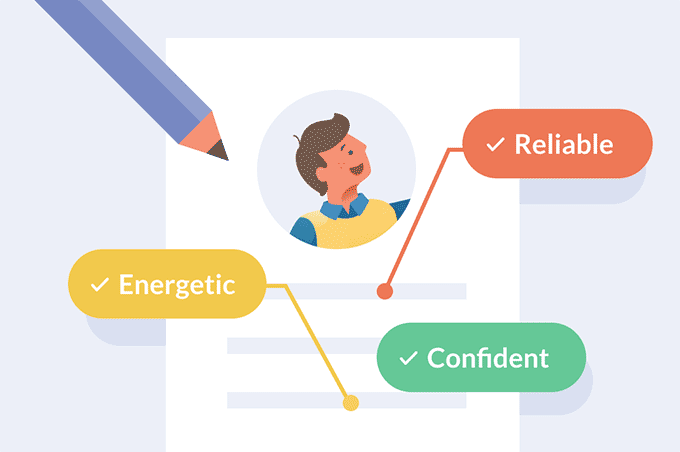
Your work ethic, organizational skills, and problem solving abilities show hiring managers that you’d be a dedicated employee.
| Diligent | Attentive | Responsible |
| Enthusiastic | Industrious | Keen |
| Observant | Focused | Reliable |
| Committed | Imaginative | Methodical |
| Results-driven | Detail-oriented | Thorough |
| Energetic | Tireless | Persistent |
| Curious | Proactive | Practical |
| Disciplined | Hard-working | Enterprising |
| Ambitious | Meticulous | Tenacious |
Adjectives to describe your attitude
Demonstrating a positive attitude sets you apart from the competition, particularly if you’re applying for a customer-facing role.
| Enthusiastic | Motivated | Compassionate |
| Sincere | Confident | Easygoing |
| Tactful | Kind | Friendly |
| Patient | Self-reliant | Empathetic |
| Approachable | Thoughtful | Driven |
| Considerate | Independent | Determined |
| Positive | Upbeat | Personable |
| Optimistic | Open-minded | Tolerant |
Words to describe your leadership skills
Strong leadership skills are valuable for any company. Use these adjectives to demonstrate your ability to manage teams and guide others to success:
| Decisive | Strategic | Influential |
| Motivating | Assertive | Confident |
| Persuasive | Diplomatic | Forward-thinking |
| Bold | Accountable | Competent |
| Charismatic | Instrumental | Pioneering |
Words to describe your interpersonal skills
Employees with interpersonal skills keep projects running smoothly by collaborating with colleagues and making the workday more enjoyable.
Here are some adjectives that show you fit any work environment.
| Sociable | Genuine | Appreciative |
| Personable | Receptive | Cordial |
| Tactful | Amiable | Courteous |
| Patient | Responsive | Approachable |
| Cheerful | Outgoing | Sensitive |
| Mindful | Supportive | Calm |
| Respectful | Collaborative | Understanding |
| Intuitive | Attentive | Team-oriented |
Words to describe your abilities and experience
Using descriptive adjectives when talking about your past roles clarifies your professional experience.
| Adept | Proficient | Seasoned |
| Professional | Experienced | Skilled |
| Multifaceted | Accomplished | Capable |
| Well-versed | Knowledgeable | Creative |
| Credentialed | Versatile | Data-driven |
| Analytical | Entrepreneurial | Innovative |
How to describe yourself on your resume
Describe yourself in terms that relate to the job you’re applying for. The goal is to present yourself as the solution to the employer’s needs.
Start by choosing relevant resume buzzwords and professional adjectives that reflect both your strengths and the role. The right wording helps establish a clear, confident professional brand from the very first line.
This resume objective opens with two adjectives that emphasize the applicant’s enthusiasm and creativity:
How to describe yourself in a resume objective
Driven and creative recent graduate seeking an opportunity to kickstart my career as a web developer. Proficient in popular front-end technologies and frameworks, I thrive in collaborative environments where I can learn from experienced professionals. My ability to adapt quickly and tackle challenges head-on ensures that I will be a valuable asset to any web development team.
To enhance your resume’s work experience section, combine adjectives with strong action verbs.
How to describe yourself in an interview
Most interviewers will ask you to begin by telling them a bit about yourself. Use this opportunity to showcase your most impressive qualities and make a lasting impression on the interviewer.
By incorporating descriptive adjectives into your responses, you can effectively convey your unique skill set and highlight your potential value to the company.
However, there’s a right and a wrong way to go about describing yourself in an interview.
If you’re asked a common job interview question like “What are three words to describe yourself?” don’t just rattle off a list of positive adjectives. Use each adjective to highlight a different skill or area of expertise.
Example of how to describe yourself in an interview
“First, I’d say that I’m meticulous. In my previous role, I analyzed user data and conducted extensive usability testing to identify pain points and areas for improvement. I also pride myself on being an imaginative designer. During a recent project, I collaborated with developers to implement an innovative gesture-based navigation system, which not only enhanced accessibility but also created an engaging experience for users. Finally, I’d say that I’m dedicated. I’m committed to staying up-to-date with the latest design trends and technologies, whether it’s attending workshops, participating in online forums, or experimenting with new design techniques.”
Providing specific examples not only makes your responses more memorable but also demonstrates your ability to back up your claims with tangible evidence.
Describing weaknesses in an interview
Employers ask about your weaknesses to assess your self-awareness and motivation. They want to know whether you can take accountability for your actions and respond to challenges with a practical mindset.
The trick is to balance honesty with professionalism. Pick a somewhat relevant weakness that doesn’t affect your ability to do the job itself — and explain how you’re addressing the shortcoming.
Let’s say you’re applying for a wait staff position:
Example of how to talk about your weaknesses
“I don’t believe I know as much about wine as some of your staff. We didn’t keep a large selection at my previous restaurant, as customers didn’t really come for the wine. However, we were known for our coffee and despite not being much of a coffee drinker myself, I was able to quickly familiarize myself with a menu of over 25 single origin beans that were frequently rotated. Customers appreciated my ability to explain the menu and make personalized recommendations, while I thoroughly enjoyed learning the nuances of coffee and coffee tasting. Joining your restaurant would be a wonderful opportunity to relive that learning experience and apply my upselling skills in a new context.”
The candidate in this example first highlights a relevant weakness (nonessential product knowledge). Then they quickly pivot to highlight their success addressing a similar knowledge gap in the past. In doing so, they highlight transferable skills (e.g., customer service, upselling) and show their enthusiasm for working in food and drink.
How to describe yourself in a cover letter
Use your cover letter to introduce yourself and show why you’re the ideal candidate.
Here are some examples of how you can describe yourself effectively in a cover letter using descriptive adjectives:
Descriptive adjectives highlighting professional strengths
As a highly motivated and results-driven professional, I have a proven track record of delivering exceptional results in fast-paced environments.
Descriptive adjectives emphasizing relevant experience
With over eight years of extensive experience in the marketing industry, I am an accomplished and strategic thinker with a keen eye for identifying emerging trends.
Descriptive adjectives showcasing interpersonal skills
Throughout my career, I have cultivated a reputation as a highly collaborative and influential communicator.
How to describe yourself on LinkedIn
Your LinkedIn bio requires a different approach to your resume summary or cover letter. You’re pushing your personal brand and networking with new connections; not convincing someone to hire you for a specific position.
Make yourself appear authentic and approachable by writing in a more friendly, conversational tone while keeping focus on your main expertise, strengths, and passions. Unlike on your resume, personal pronouns are fine.
Use value-focused words like passionate, forward-thinking, and engaged to show drive and enthusiasm. Be sure to include examples that back up your word choice — so your bio is well-reasoned, not fluffy.
Example LinkedIn bio
I’m a driven, insight-led Marketing Manager focused on helping brands grow through clear strategy and smart digital campaigns. With 7+ years of experience across content, paid media, and brand development, I combine creativity with performance data to deliver real results. I’m passionate about building strong brands and creating work that genuinely connects with people.
3 tips for describing yourself in professional settings
Here are three tips to help you showcase your best qualities:
Don’t use boring or over-the-top adjectives
Avoid generic words that don’t clearly describe your particular skills and personality. Also steer clear of overly positive words that could come across as bragging.
Here are some words to avoid:
Cons
- Good
- Great
- Amazing
- Awesome
- Honest
- Humble
- Visionary
- Genius
- Trailblazing
- Talented
Try these instead:
Do use
- Experienced
- Enthusiastic
- Goal-oriented
- Reliable
- Responsible
- Innovative
- Problem-solving
- Creative
- Detail-oriented
- Results-driven
Back up your claims
Without evidence, your adjectives won’t be persuasive. Add accomplishments to your resume that give context to how you described yourself.
Here are examples of what to do and what not to do:
Do
My comprehensive background in SEO includes website auditing & servicing, keyword research, and performing top-tier Google data analysis.
Cons
I am skilled in a vast, interconnected array of SEO areas.
When possible, you should also measure the impact of your achievements with relevant metrics. Metrics like increases to revenue, customer satisfaction, or new subscriptions, help employers see the value of your skills to their business.
Do
Successfully implemented a more efficient inter-team communication technique, saving the company an average of $12,000 annually.
Cons
Successfully implemented efficient new cost-saving techniques.
Match the job description
Reread the job description and take note of the descriptive words that the company uses. Choose some of the same words to put on your resume or in your cover letter to show that you’re an ideal candidate for the role.
Only choose adjectives that accurately describe your professional experience, and be prepared to provide examples of how you embody those qualities in your interview.
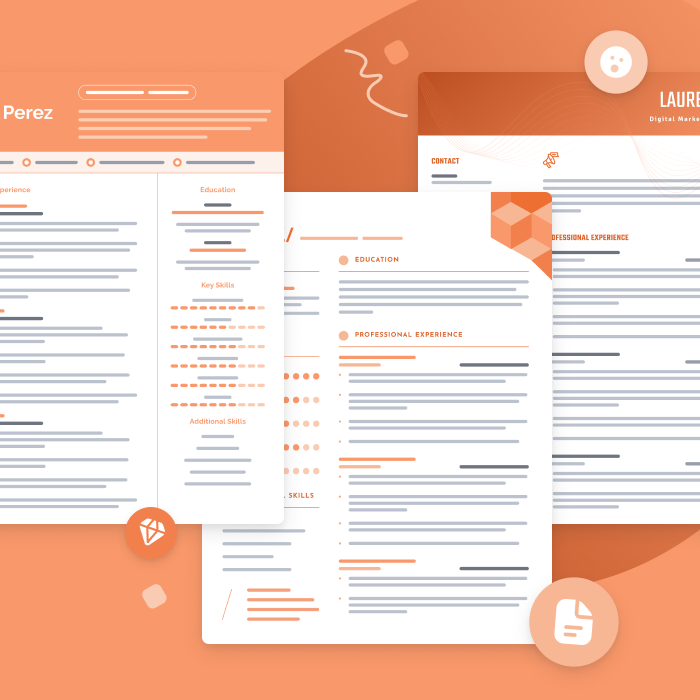
The best resume templates for 2026
Make your resume quickly by filling out one of our free resume templates. All our templates are designed by experts and free to download for Microsoft Word or Google Docs.
About the Author

Seb is a Certified Professional Resume Writer with 10 years of combined experience in career counseling and editorial work. With a MA in International Communications from National Chengchi University (Taiwan), he helps job seekers translate their experience into employer-ready applications for global job markets.


Click to rate this article
4.7 Average rating