
A well-written cover letter can give you an edge over equally qualified candidates. In fact, 94% of hiring managers say that cover letters influence who they decide to interview.
In this article, you’ll learn when a cover letter is worth your time, when it isn’t, and provide tips for writing one that helps move your application forward.
@resumegenius Nobody likes writing cover letters! But they can be really helpful in your job search. We’re not saying you need to write one for every application, but if you want to stand out and boost your chances of landing that dream job, a cover letter can make all the difference. They also give you a chance to add context to your resume, like explaining a career change or a gap in your work history. What’s your opinion on cover letters? #coverletter #jobseeker #jobsearch #careeradvice ♬ original sound – Resume Genius | Career Tips
Do I need a cover letter?
Yes, you do need a cover letter in the following situations:
- The job description requests or requires a cover letter: If an employer asks for a cover letter, submitting one shows that you can follow instructions and are genuinely interested in the role.
- You have to explain an employment gap: A cover letter gives you space to briefly address a gap in your work history and reassure employers that you’re ready to return to work.
- You’re changing careers and need to demonstrate transferable skills: Use your cover letter to connect your previous experience to the new role and explain why you’re a strong fit despite a non-traditional background.
- The role is competitive and will attract many qualified applicants: A well-written cover letter can help you stand out by showcasing your motivation, personality, and understanding of the company beyond what’s listed on your resume.
How important is a cover letter when applying for work?
According to our data, 67% of hiring managers believe cover letters are important, compared to just 6% who say they aren’t.
If that’s not convincing enough for you, consider this: when asked how cover letters impact their hiring decisions, 82% responded that a strong cover letter can persuade them to invite an otherwise weak candidate for an interview.
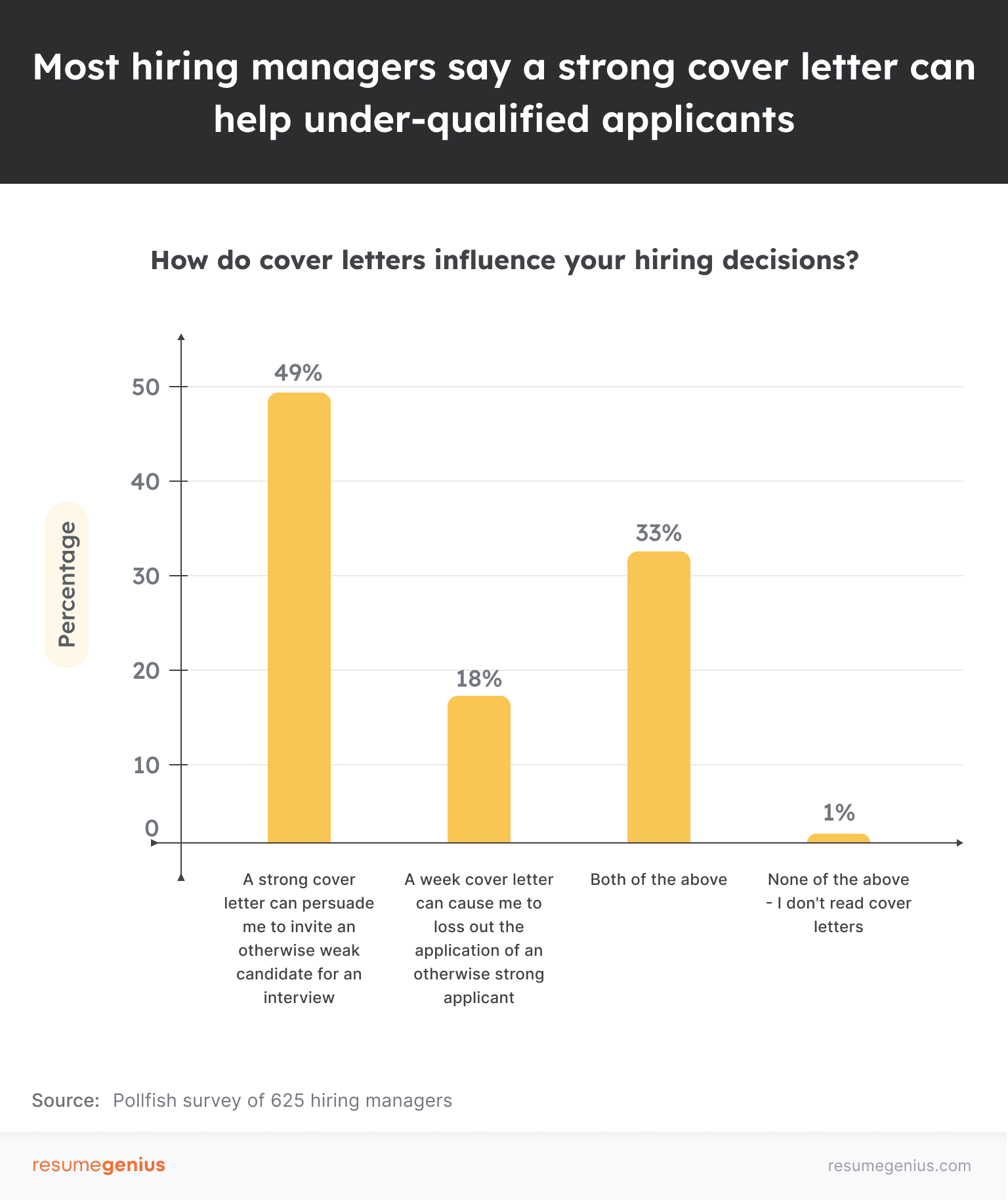
In addition, 51% of hiring managers responded that a weak cover letter can deter them from inviting an otherwise strong candidate for an interview.
If you don’t have much time to spend on cover letters, try using a free AI cover letter generator that can help you draft a unique and tailored cover letter to go with your application.
Why are cover letters important?
The overwhelming majority of hiring managers think cover letters are important, and you should too. Here’s why:
Cover letters complement your resume
Your resume provides a concise, black-and-white look at your qualifications, background, and skills.
Your cover letter, on the other hand, adds a bit of color to your application, giving employers some insight into your personality and motivations.
For instance, if you list some professional accomplishments on your resume, you have room to elaborate on them in your cover letter. Or you can take duties from your resume’s work experience section, and use your cover letter to describe how those experiences make you the best candidate for the job.
Cover letters allow you to describe how you’re a good fit for the position
Your cover letter is your chance to pitch yourself as the ideal candidate. Here are some ways to do that:
- Show how your background makes you uniquely qualified: A cover letter allows you to connect your experience directly to the role and explain why you’re a stronger fit than candidates with similar credentials.
- Describe how you’re a great culture fit: Use your cover letter to demonstrate that your values, work style, and interests align with the company’s culture and mission.
- Demonstrate your passion and interest in the work: A cover letter gives you the opportunity to show genuine enthusiasm for the role, industry, or company in a way a resume cannot.
- Explain how your past achievements demonstrate the skills needed in the role: Highlight specific accomplishments and connect them to the qualifications the employer is looking for.
- Connect your professional goals to the company’s goals: Employers want candidates who are invested in the company’s future, and a cover letter can show how your long-term objectives complement theirs.
Cover letters demonstrate your communication skills
Written and verbal communication skills are important across most industries. Even if your background is in hard sciences or engineering, you still need to write reports, send emails, and communicate with colleagues.
A thoughtful cover letter demonstrates your ability to communicate complex ideas in a clear and compelling way. Employers may view it as evidence that you can write professionally, follow instructions, and represent their organization well.
Cover letters help you overcome a lack of experience
With 82% of hiring managers in our survey saying that well-written cover letters can convince them to interview candidates who otherwise lack relevant qualifications, this is perhaps the biggest reason to write a solid cover letter.
If you’re a recent graduate and your most impressive experience is relevant coursework, then submitting a cover letter is a good way to convince employers you have the skills and qualities they’re looking for in a candidate.
Companies value passionate, engaged employees, and understand that all of our professional journeys begin somewhere. Your cover letter is an opportunity to highlight your passion for a particular career or industry, and show how even without experience, you’re ready to learn and grow quickly in the role.
Cover letters can help you explain any unusual circumstances
Do you have a significant career gap on your resume or a history of job hopping? Is the address on your resume from a different state than where the company is located? Your cover letter is the ideal place to clear up any potential questions employers have about your application.
Frequently asked questions about cover letters
Here are answers to some of the most common questions about cover letters:
Do you have to write a cover letter for every job?
No, you do not have to write a cover letter for every job, but writing a cover letter can help increase your chances of getting hired.
Here some situations where you can skip writing a cover letter:
- One-click and Easy Apply applications: These application systems are built to reduce friction, so recruiters typically focus on your resume, profile, and qualifications rather than supplemental documents.
- Entry-level part-time roles: Jobs in industries such as retail, hospitality, and food service often prioritize availability, relevant experience, and hiring speed over detailed cover letters.
- Portfolio-driven creative roles: For positions in areas like design, content creation, photography, or video production, employers are often more interested in reviewing your work than reading a cover letter.
- When you have no additional context to provide: If your cover letter would simply repeat information already found on your resume, it’s usually better to leave it out than submit a generic, low-value letter.
Do you need a cover letter for a part-time job?
Yes, you need a cover letter for a part-time job if:
- It’s requested by the employer
- You have extra information to share (e.g. explaining an employment gap)
- You want to maximize your chances of landing an interview
Do you need a cover letter for an internship?
Yes, you need a cover letter for an internship. Even if it’s not required, employers will appreciate it if you take the time to write a cover letter.
Additionally, including a cover letter with your internship application gives you an opportunity to show your passion for the role and provide important details about your experience, academic career, and skills.
Should your cover letter match your resume?
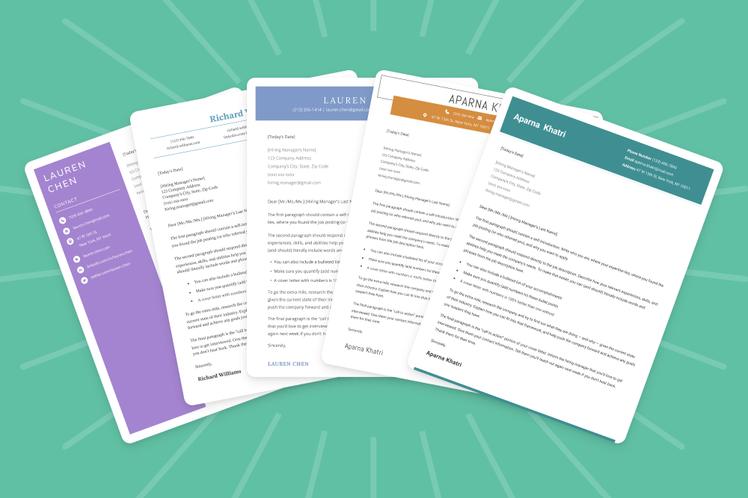
Your cover letter and resume should complement each other and have a consistent look and feel. The easiest way to do this is by using matching resume and cover letter templates. Using a matching cover letter will make your application professional and cohesive.
While it’s a good idea to make your cover letter and resume match, this doesn’t mean that they should be identical. Your cover letter is an opportunity to expand on the information provided in your resume and to personalize your application to the specific job and company.
Additional cover letter resources
Here are some free resources to help you write an effective cover letter:
About the Author

Lauren Mastroni is a Digital Content Writer at Resume Genius, where she creates data-driven career content and actionable job search advice. With a background in academic research, she brings a research-focused approach to topics like resume writing, interviewing, and career development. Lauren is dedicated to helping job seekers at all stages navigate the hiring process and present themselves more effectively to employers.