

- 1. Add your contact information to the header
- 2. Open with a professional greeting
- 3. Hook the reader in your opening paragraph
- 4. Highlight your relevant skills and achievements
- 5. Emphasize your willingness to learn
- 6. Close with a call to action
- Checklist for writing a cover letter with no experience
- No-experience cover letter examples
You don’t need work experience to write a persuasive cover letter. Learn how to highlight your skills and enthusiasm to land the job you want.
For entry-level roles, employers often value a willingness to learn as much as experience.
Your cover letter is your chance to show these qualities and make a memorable first impression.

Follow these steps to write a cover letter that highlights your potential:
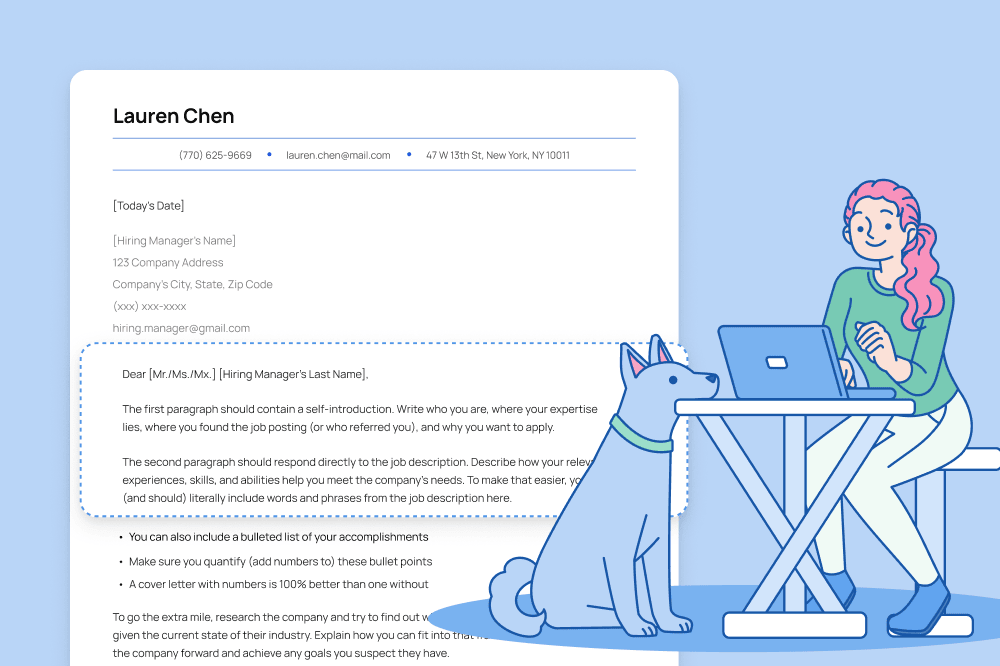
1. Add your contact information to the header
Include the following in your cover letter’s header so the employer can easily reach you:
- First and last name: Use bigger and bolder text compared to the rest of your cover letter so your name looks more memorable to employers.
- Phone number
- Email address: Use a professional email address such as your.name@gmail.com.
- City and state (optional)
- Website or LinkedIn URL (optional)
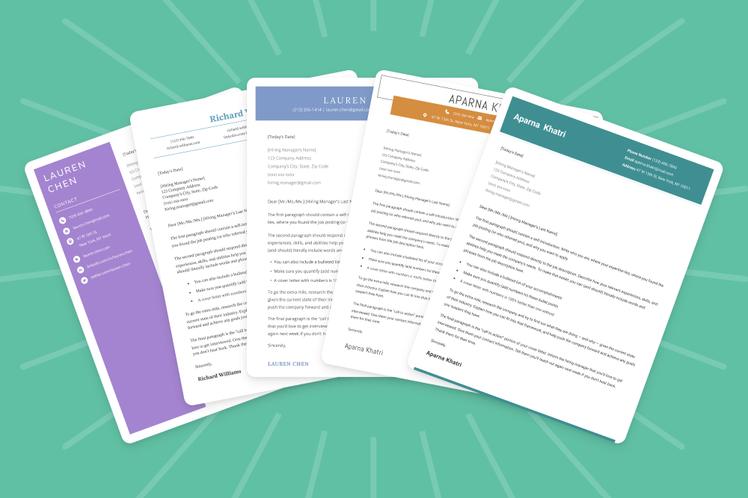
To make sure your cover letter looks polished, try using a pre-formatted cover letter template that you can customize.
2. Open with a professional greeting
Start your cover letter by addressing the hiring manager by name (if possible).
If you can’t find a name, opt for “Dear Hiring Manager” or “Dear [Department] Team.” Avoid outdated phrases like “To Whom It May Concern.”
Use
Dear [First and Last Name],
Dear Mr./Ms./Dr. [Last Name], (Use Ms. unless you’re sure they prefer Mrs.)
Dear Hiring Manager,
Dear [Department] Hiring Team, (e.g., “Dear Marketing Team,”)
Dear [Department] Manager, (e.g., “Dear Finance Manager,”)
Avoid
To Whom It May Concern, (Too outdated and generic)
Dear Sir or Madam, (Feels impersonal and old-fashioned)
Hello, (Too casual for a cover letter)
3. Hook the reader in your opening paragraph
Start your cover letter with an effective opening paragraph to keep employers interested, as they read through applications quickly.
Instead of starting with “I am applying for…” try leading with a genuine reason you’re excited about the role or a skill that makes you highly qualified. For example:
As a recent graduate passionate about environmental sustainability, I was immediately drawn to EarthWay’s commitment to green innovation.
You can use the opening paragraph to:
- Express your passion or excitement for the role
- Briefly state your top skills or achievements
- Mention the company’s values and how they align with yours
- Explain your purpose for applying
4. Highlight your relevant skills and achievements
Even if you don’t have formal work experience, you still have achievements and skills that make you a strong candidate.
In your body paragraphs, talk about academic projects, volunteer work, internships, leadership roles, or extracurricular activities that have helped you develop valuable skills.
Avoid using an apologetic tone or qualifying these as “not real work experience,” as this can undermine your professional authority.
Highlight transferable skills like research, presentation skills, teamwork, problem solving, and adaptability. Use specific examples to show how you’ve applied these skills in real situations.
Think about how you can incorporate keywords from the job posting and connect them to your skills, education, or experiences. The more aligned your cover letter is with the employer’s needs, the better your chances of landing an interview.
Always try to connect your experiences back to the business’ goals and how you can help achieve them:
As the treasurer of my university’s marketing club, I managed budgets and organized fundraising events, skills that align with BrightStar’s focus on financial responsibility and event coordination.
5. Emphasize your willingness to learn
Employers expect entry-level candidates to learn on the job. What sets strong candidates apart is curiosity and adaptability.
Show how you’ve taken on new challenges before by mastering a subject in school, learning a new tool, or stepping into a leadership role, and express your eagerness to do the same in this job:
During my final year of college, I took on an independent research project that required me to learn data analysis tools like Excel and Tableau. I quickly adapted, and my findings were later presented at a student conference—an experience that reinforced my ability to learn new skills and apply them effectively.
6. Close with a call to action
A confident closing leaves a lasting impression and reinforces your enthusiasm for the role. End your cover letter with a confident, enthusiastic closing statement that encourages the employer to take the next step.
Express gratitude for their time and consideration, and indicate your interest in an interview to further discuss your qualifications. For example:
I truly appreciate your time and consideration. I hope to have the chance to discuss my experience in customer service and relationship management further and explore how I can contribute to your team.
Finally, close your cover letter by using an appropriate sign off. Rather than sounding overly formal or too friendly, you want to end on a clear and professional note.
Appropriate cover letter sign offs
- Sincerely
- Best
- Regards
- Thank you
- Respectfully
- Kind regards
- Best regards
Inappropriate cover letter sign offs
- Cheers
- Yours truly
- Take care
- See you soon
- Fondly
- Best wishes
- Have a good day
Then, hit enter twice and type or sign your name.
@resumegenius Write a cover letter with no experience with this quick guide! Full article and in-depth video here: ? resumegeniusDOTme/no-experience-cover-letter ? #coverletter #noexperiencenoproblem #coverlettertips #coverletterexample #jobapplication ♬ original sound – Resume Genius | Career Advice
Checklist for writing a cover letter with no experience
Follow this checklist to make sure your cover letter is ready to submit:
Read the job description carefully
Show enthusiasm for the role
Incorporate keywords from the job description
Highlight transferable skills and relevant achievements
Connect your skills to the company’s goals
End with a call to action
Keep your cover letter concise
Proofread your cover letter
Submit your cover letter as a PDF (unless otherwise specified)
No-experience cover letter examples
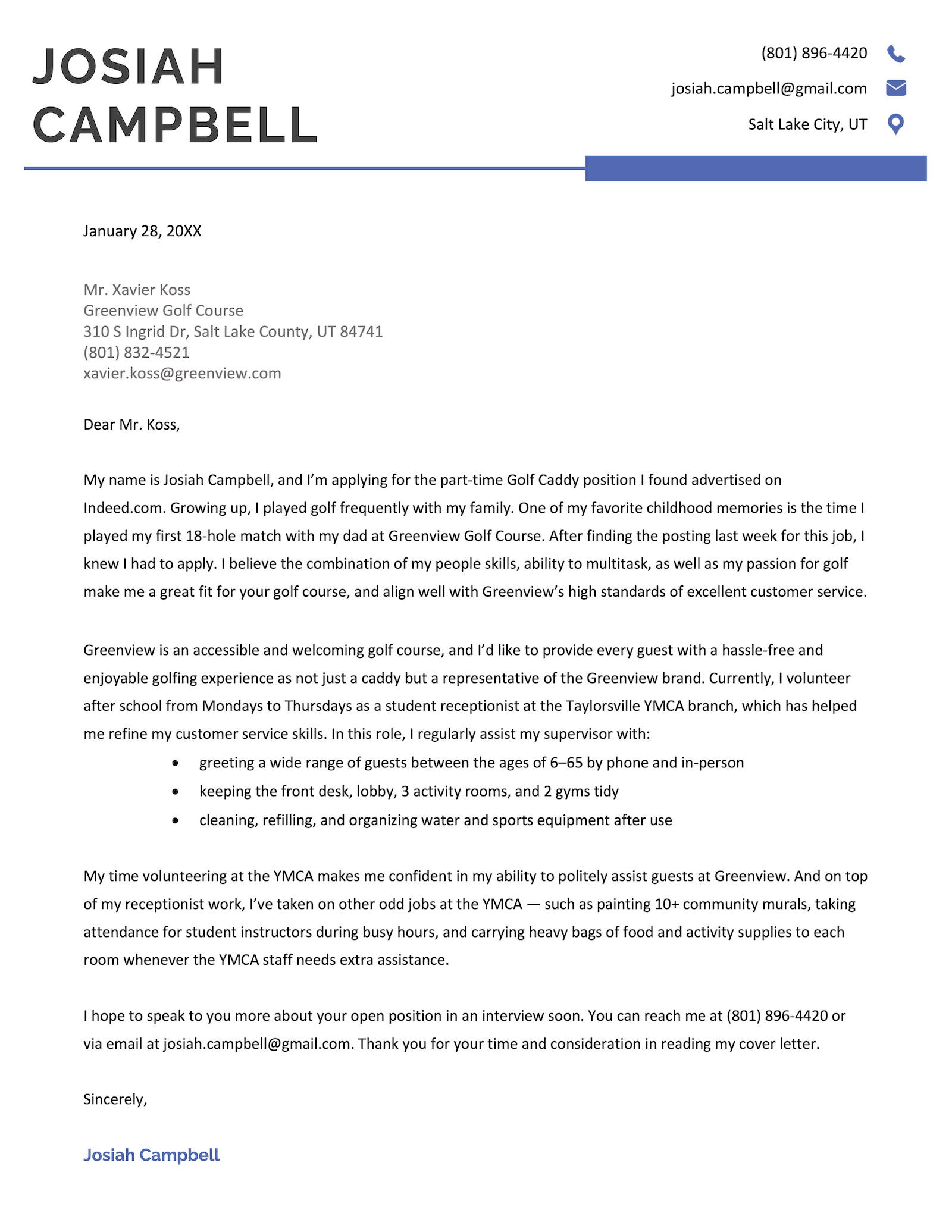
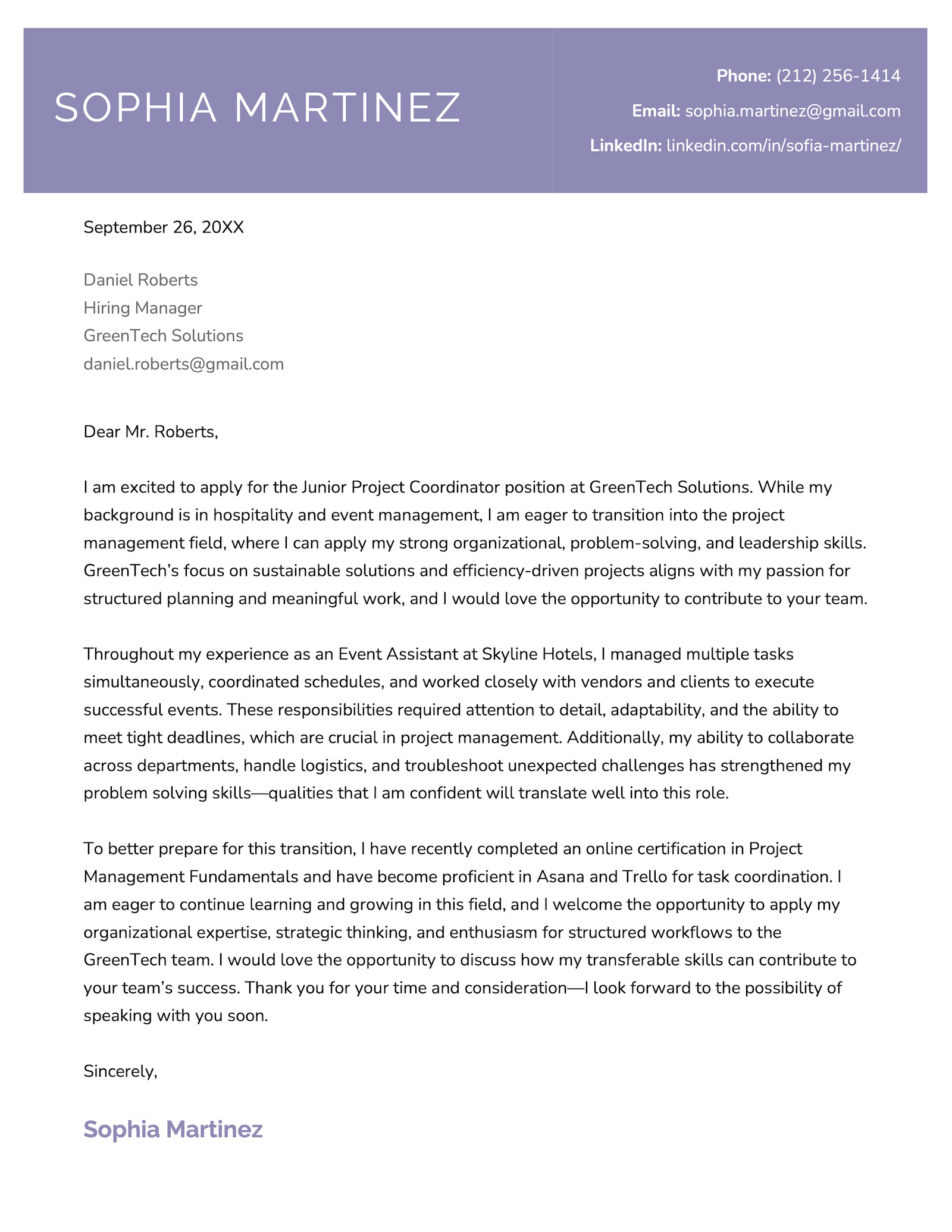
These cover letter examples demonstrate how to make a great impression, even if you’re just starting your career.
High school student
Recent graduate

Career changer
About the Author

Lauren Mastroni is a Senior Digital Content Writer at Resume Genius, where she creates data-driven career content and actionable job search advice. With a background in academic research, she brings a research-focused approach to topics like resume writing, interviewing, and career development. Lauren is dedicated to helping job seekers at all stages navigate the hiring process and present themselves more effectively to employers.